

Collaborative Building: The Cornerstone of Exceptional Home Projects
The designer–builder collaboration is one of the most important aspects that you need to consider for your new home. The right designer–builder pair can elevate your project to new heights, enabling you to unlock results you never thought were possible, while a poor working relationship between builder and designer could halt a project before it even starts. Melbourne Home Design + Living’s Belinda Coleman sits down with Omer Yetiz, the managing director of Wiserbuilt, and Muhammed Kurucu, chief building designer at Moku Design for the full inside look at designer–builder collaboration.
Wiserbuilt is a construction company that Yetiz says is focused on “delivering high quality, well considered projects that prioritise craftsmanship, functionality and long-term value.” Yetiz the founder and director of Wiserbuilt, has 18-plus years’ in the industry, building a strong network of connections during this time. Wiserbuilt was formed to bring together “proven experience, trusted relationships, and a clear vision for doing things the right way” Yetiz adds. He believes in a customer-first approach with a strong focus on communication, detail, and proactive problem solving.
He is joined in these aspirations, and in several collaborative projects by Kurucu and the team at Moku design. Moku Design is an architectural design practice founded in 2020. Moku works on a vast range of residential projects, from knock-down rebuilds, to dual occupancy dwellings, high-end renovations and custom homes. More recently Kurucu has even challenged himself by taking on disability homes and providing designs that “address the needs of those who need it the most.” Kurucu and his team believe in “bringing visions to life in all pockets of this architecturally diverse city” of Melbourne. Kurucu goes on to describe his process for nailing designs, explaining how he understands and clarifies exactly what each client wants. His methods rely on not only on throwing lots of questions and examples at his clients, but also on visualisation —-imagining the home surrounded by movement, streetlights and families going about their day. “How would I feel in this space?” he asks himself, and “is it a space that suits the area?”
As long-term collaborative partners, Yetiz and Kurucu had a lot to say about the importance of working together.
NECESSITY OF COLLABORATION
Both Yetiz and Kurucu strongly advocated for the benefits of collaboration throughout various stages of the project.
Kurucu explained that the exact time the builder needs to get involved does depend on the type of project. Renovations and extension projects need builder input early on while knock-down rebuilds only require builder attention after the initial design and development. However, both Kurucu and Yetiz agreed that collaboration should happen regularly and that it is especially essential early on. Yetiz said he likes to have “clear vision” for his projects which is worked out through close communication with “designers, consultants, and clients” so that he can deliver the project to the highest possible standards.
From a design perspective, Kurucu adds that getting the builder on board early in the process ensures that everyone is “on the same page” and gives clients a much clearer understanding of realistic budgets and timeframes, all things that the designer often cannot answer alone.
TEAM CHEMISTRY
With the amount of collaborative work required for a successful and well-planned home build, the team chemistry is essential. Wiserbuilt and Moku Design work closely together from start to finish. Kurucu says “we are in contact every week talking about projects, how we can improve and how we can achieve better outcomes.” While Yetiz adds that it is important to have “designers who are collaborative, open to practical input, and understand the realities of construction while still pushing for great design outcomes.”
Kurucu and Yetiz seem to have found common ground in their processes as Kurucu loves to establish a clear vision, budget, timeline and criteria and then he likes to “encourage open idea generation by allowing a space for bold, imaginative ideas early on without limitations.” The collaboration between Moku and Wiserbuilt becomes especially important here as the two work together to see how they can fit these visions into the project’s budget and timeline.
One significant project the two companies collaborated on had a tight budget and wanted to incorporate a stunning Cathedral ceiling. Kurucu describes how Wiserbuilt suggested a scissor truss design instead of the originally proposed rafter design, stating that it would have the same look whilst preserving the budget. “It did,” Kurucu said, with the end result speaking for itself.
PICKING THE RIGHT TEAM FOR YOUR NEXT COLABORATION
The teamwork between Moku Design and Wiserbuilt is strong and regular, but not all designer–builder teams are as harmonious.
Yetiz claims the two companies have “a shared commitment to problem-solving, responsiveness, and keeping the client’s best interests at the centre of decisions” which he adds “makes a real difference to how smoothly a project runs and the quality of the final result.”
The problem lies, in trying to figure out what to look for when hunting for a good team to make your home project come to life!
Kurucu gives the following advice on things to look for in a healthy partnership. He advises that prospective hombuilders should make sure “the designer and builder understand each other well and have worked together before on several projects.” Additionally, he suggests that clients should “ask for a walk through of the projects completed together to see how the project has been completed.” He suggests that these two steps can give customers confidence in selecting a designer–builder pair for your next project.
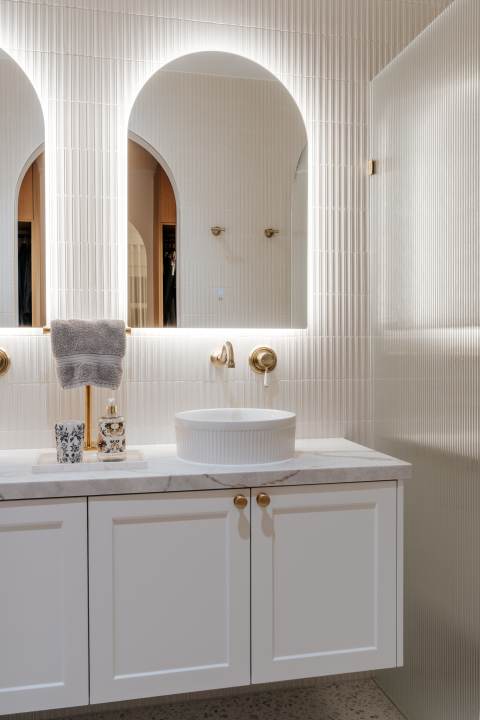
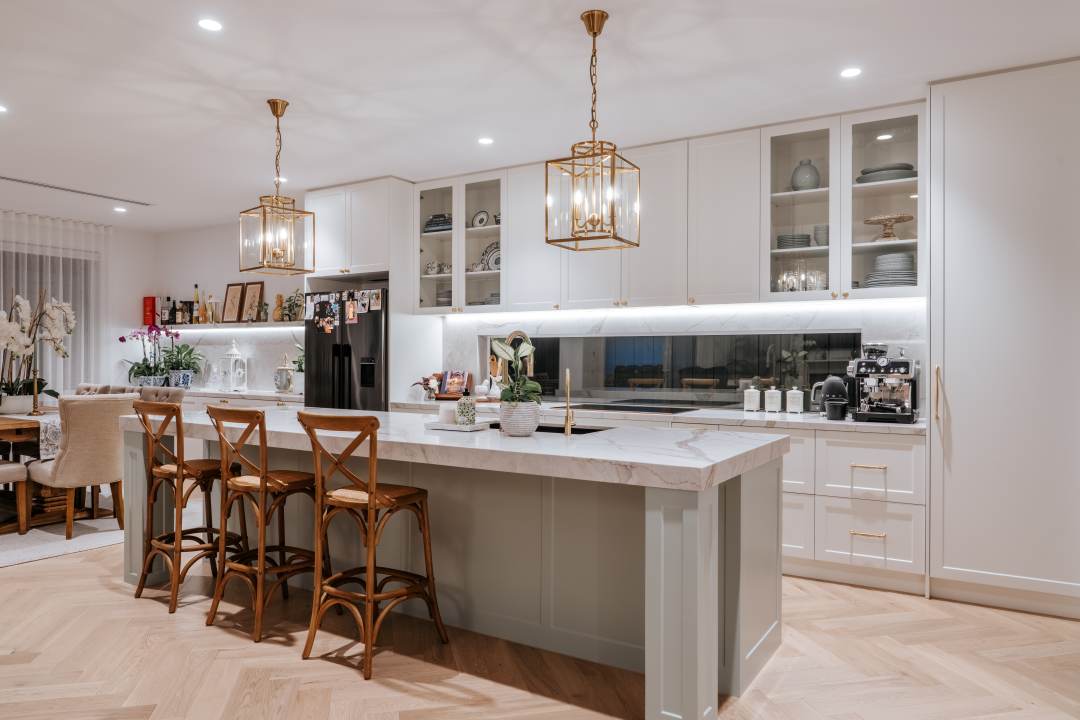
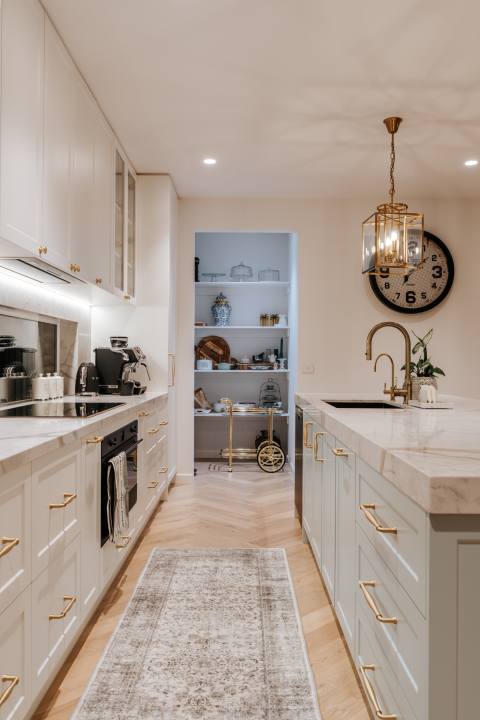
Images courtesy of You Do You Production